
VISÍTANOS
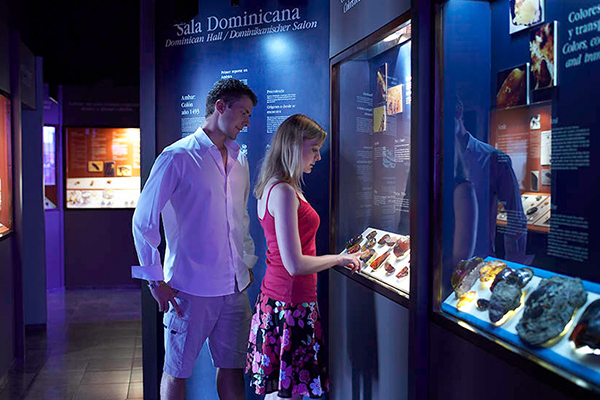
El museo mundo del Ámbar está ubicado en la zona de la antigua ciudad en una construcción colonial del S. XVIII restaurada y acondicionados sus espacios interiores en función del destino que se le iba a asignar como sede del museo.
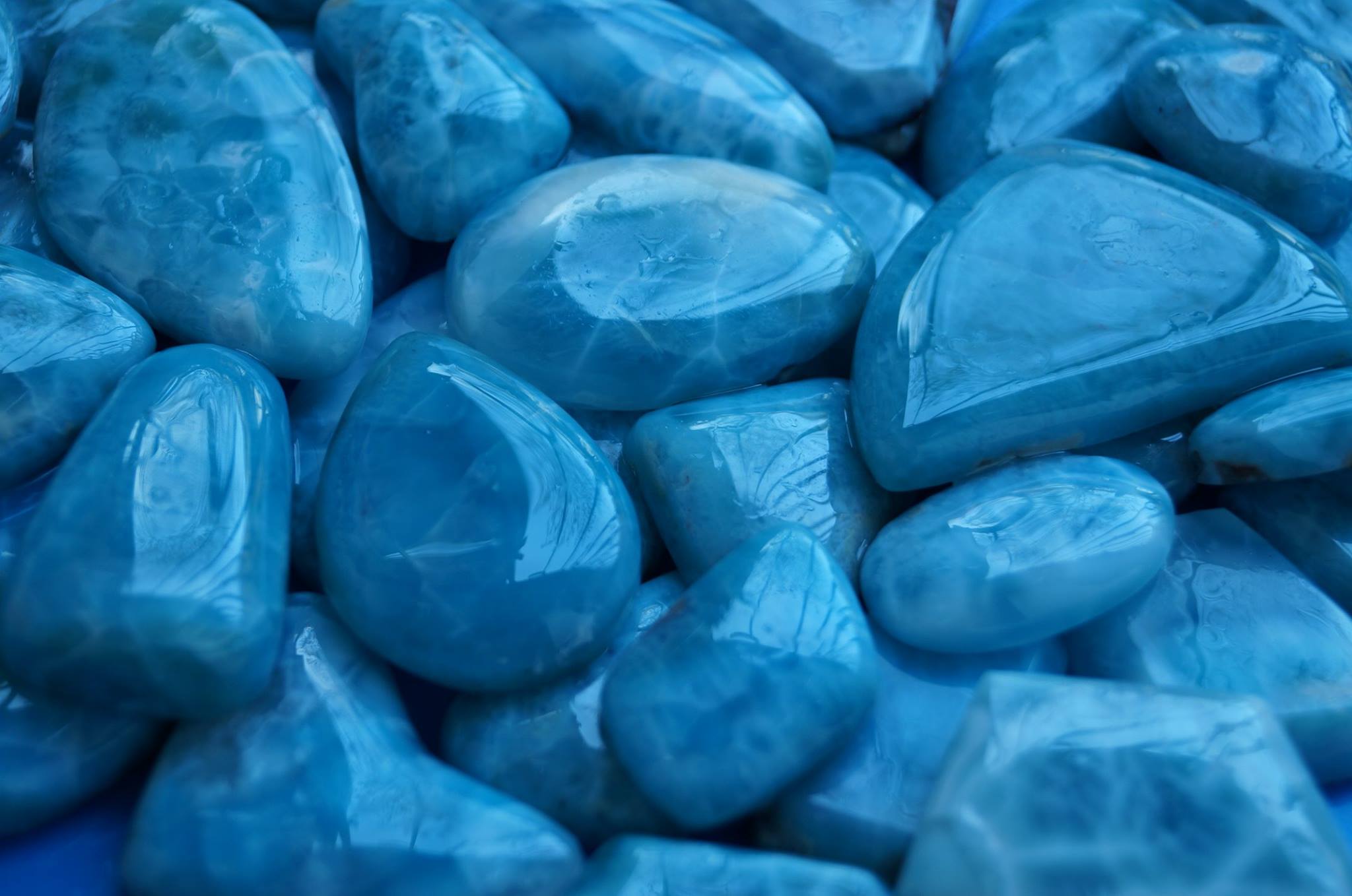
Somos pioneros en la producción y comercialización de joyas de larimar y ámbar en República Dominicana. Desde el año 1985 servimos con dedicación al mercado nacional e internacional a través de nuestras diversas marcas y unidades de negocios.
MUSEO DEL ÁMBAR
En este museo usted encuentra detalles históricos y científicos de la vegetación de esa época, los animales que quedaron fosilizados en el ámbar y todo lo concerniente a la formación y características del ámbar.
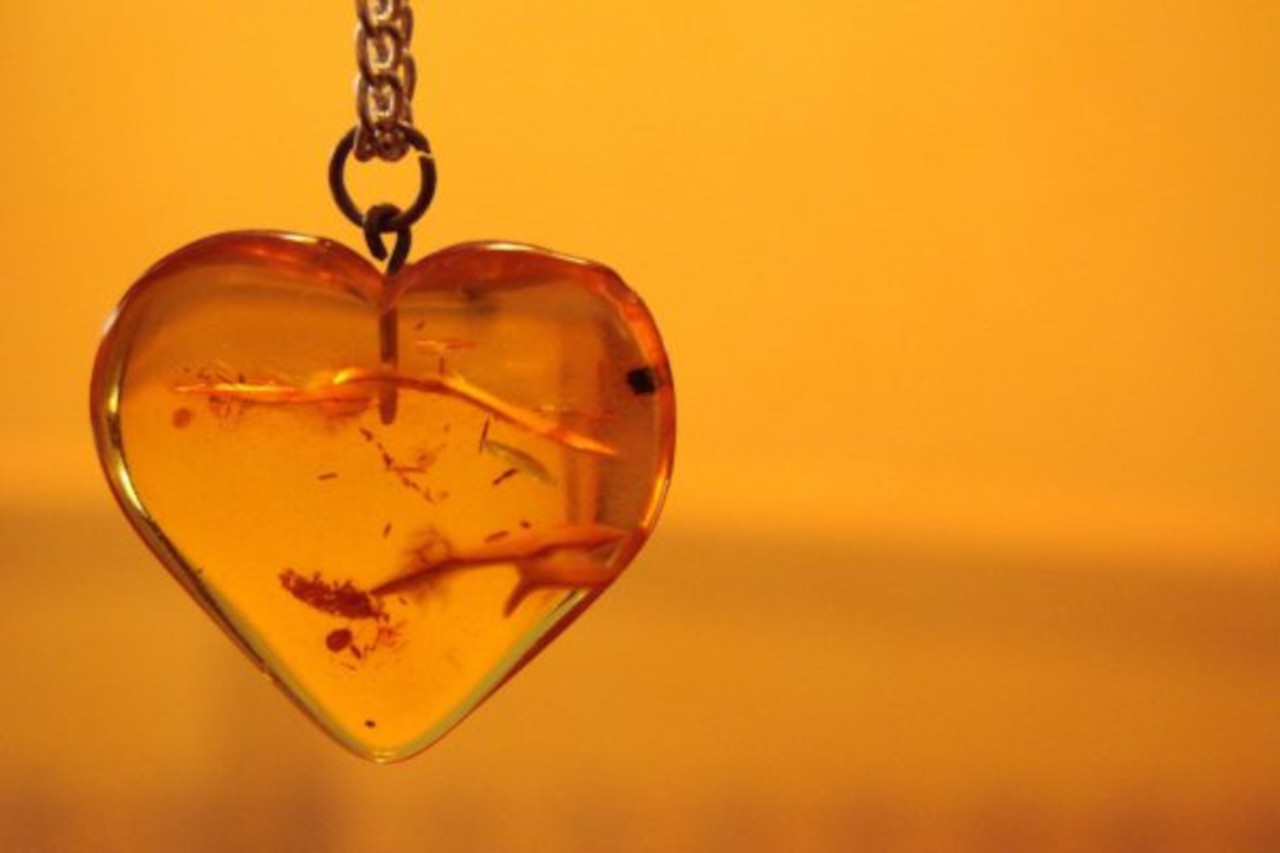
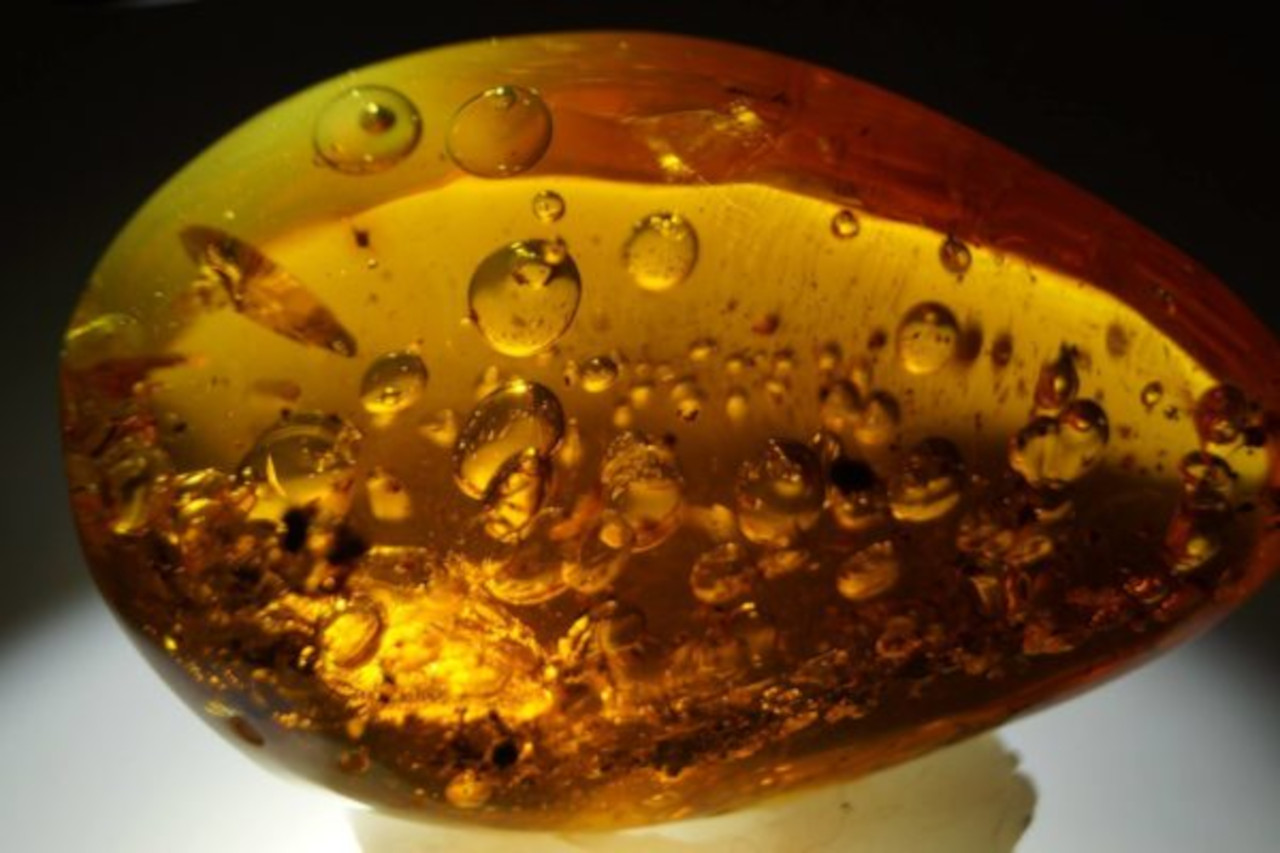
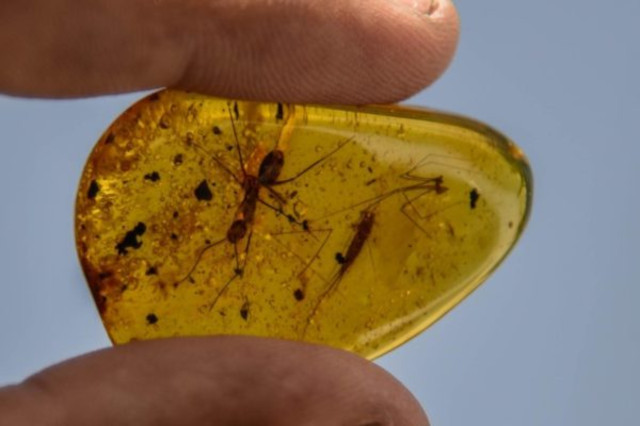
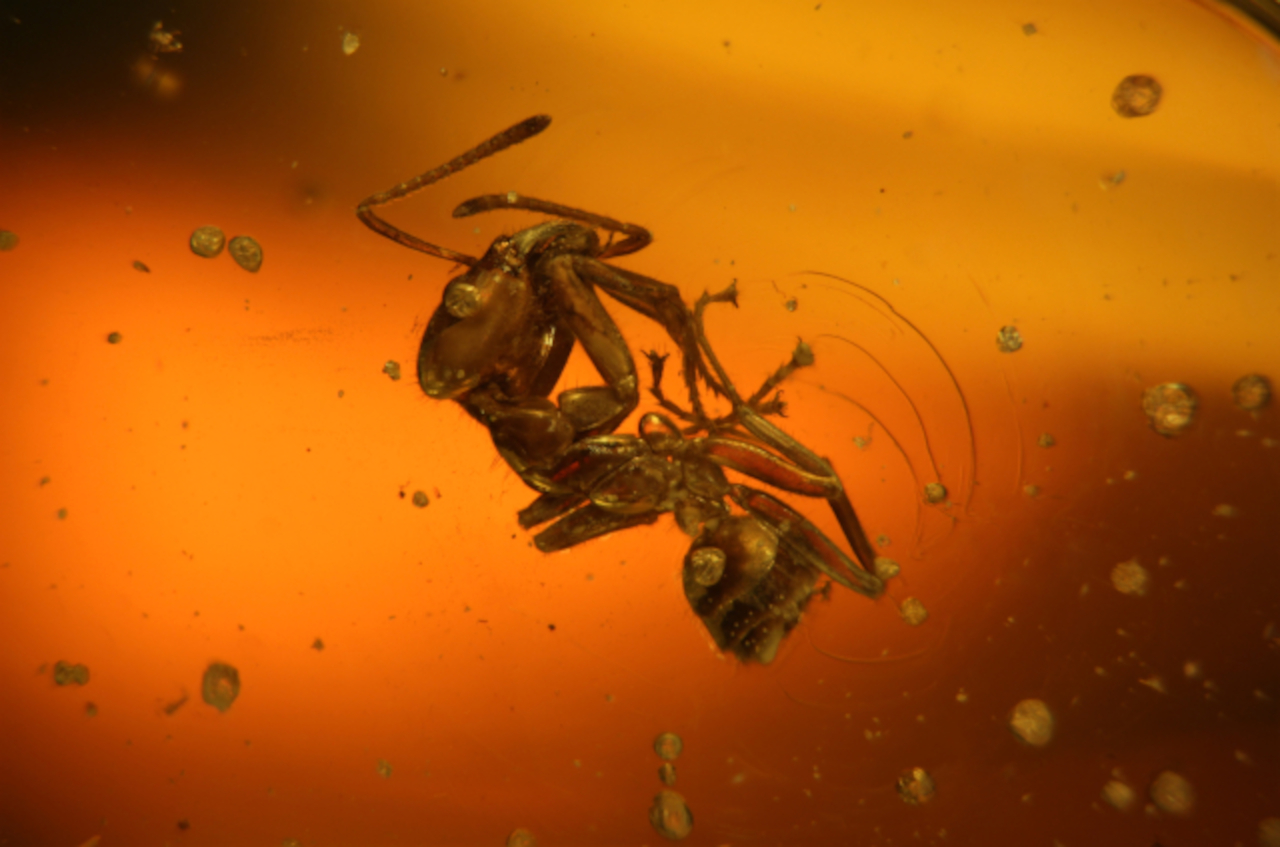
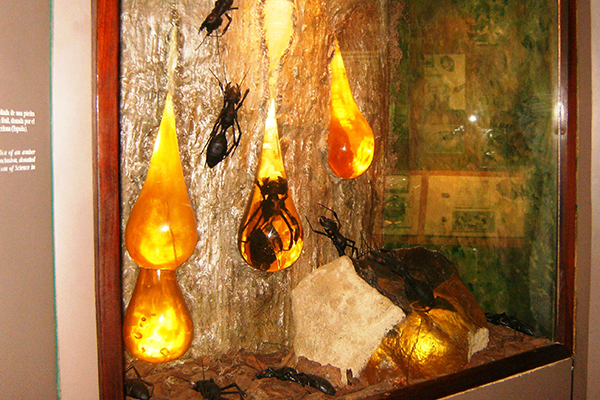
El museo consta de paneles y vitrinas que ofrecen al visitante toda la información relativa a cada uno de los aspectos que se mencionan en ellas, además se tiene la oportunidad de observar el ámbar a través de microscopio, realizar experimentos sencillos y hasta observar audiovisuales. Para esto el visitante cuenta con: 40 vitrinas con especialidades, 2 microscopios MAG-50, 3 videos, experimentos para niños, murales, dioramas e internet.
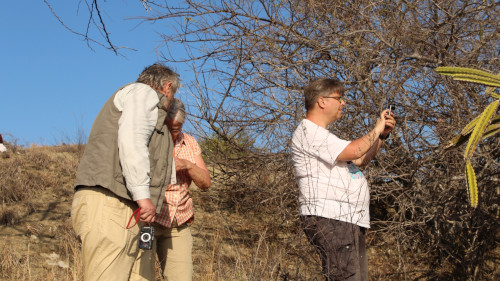
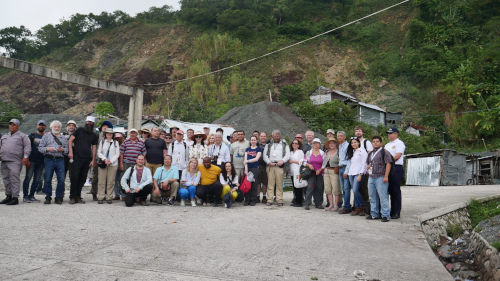
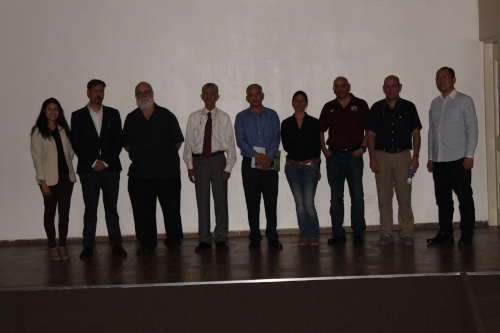
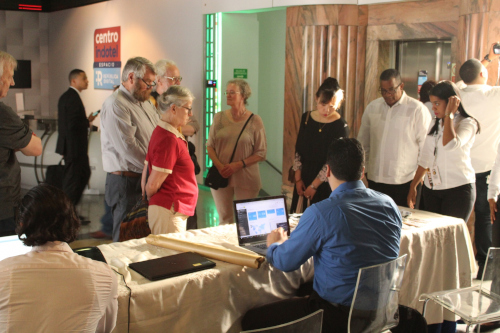
ACTIVIDADES
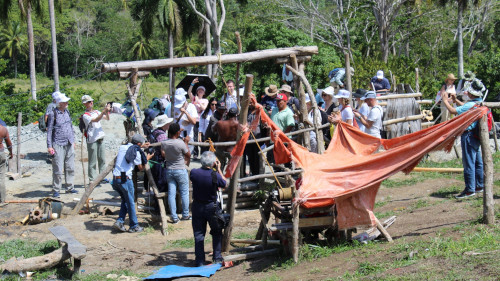
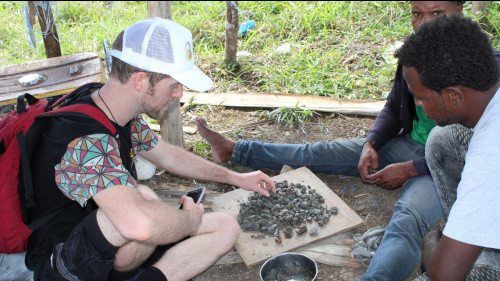
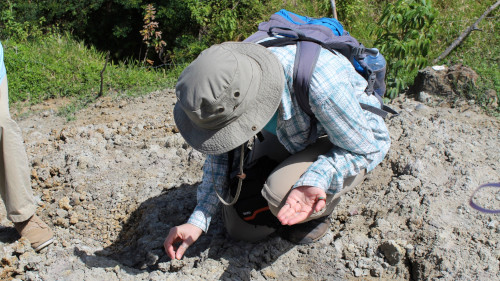
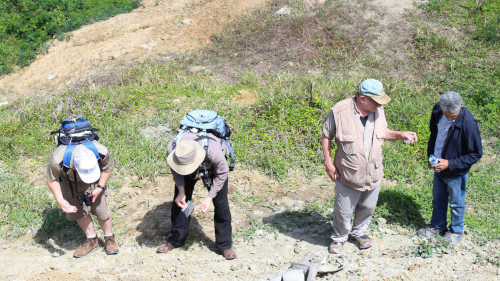
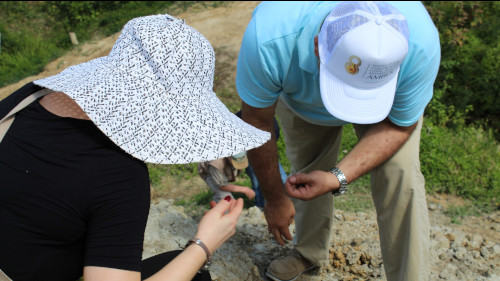
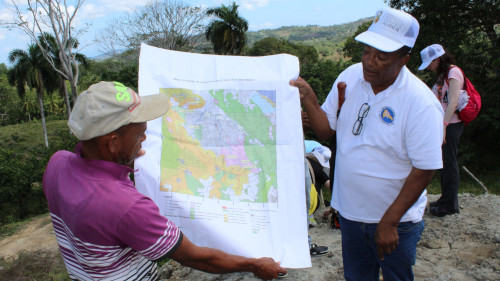
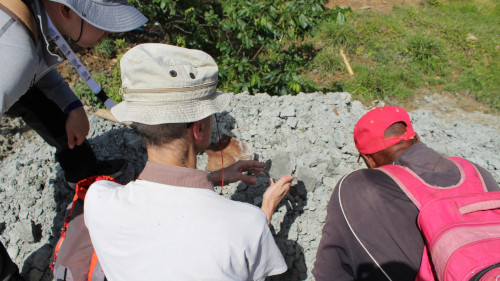
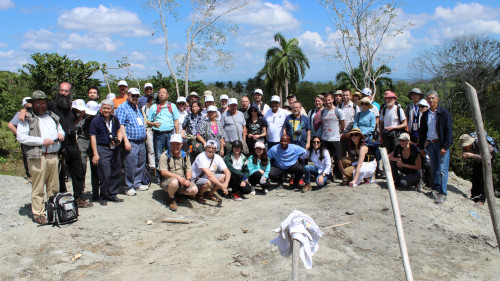
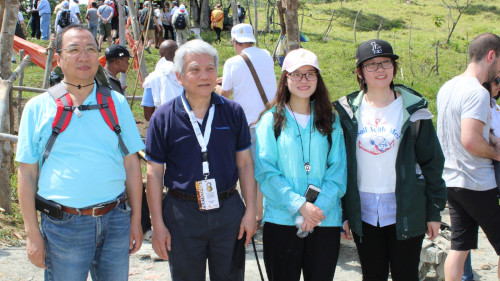
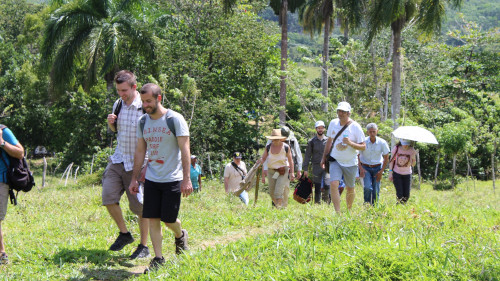
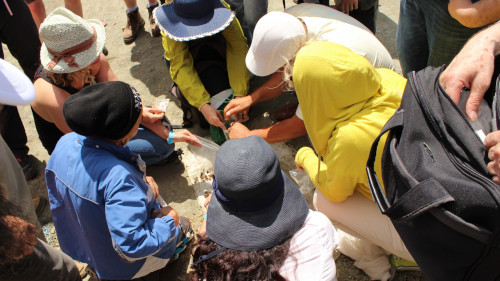
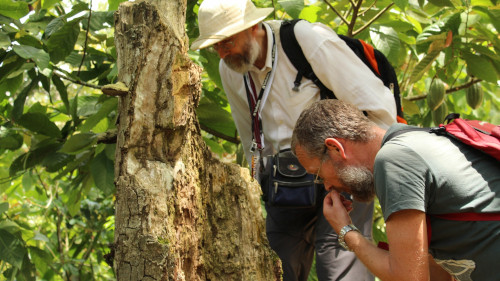
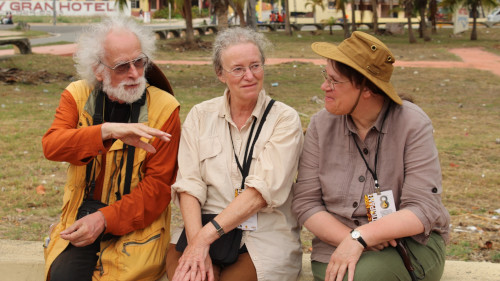
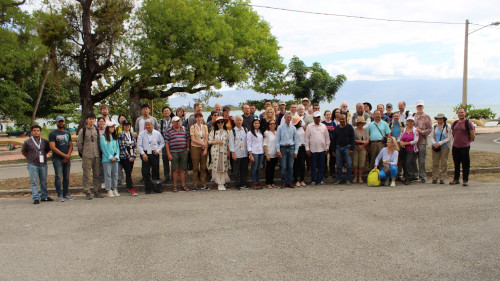
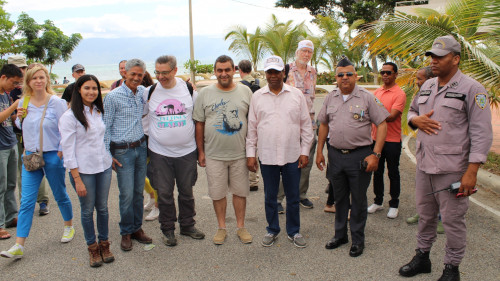
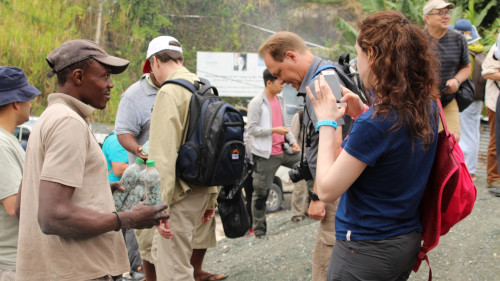

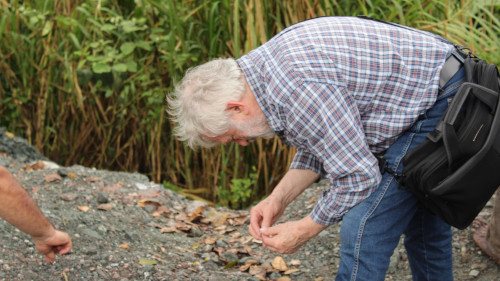
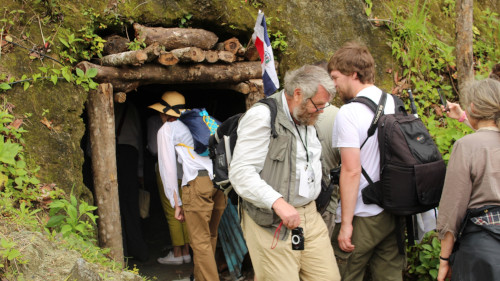
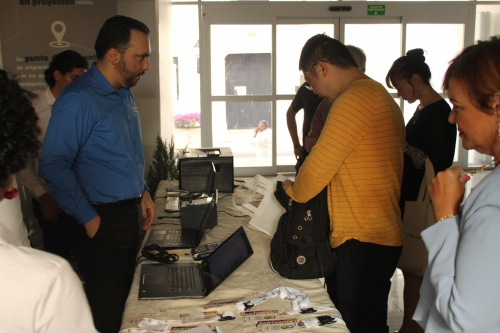
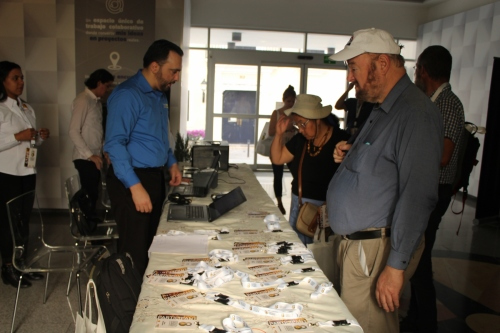
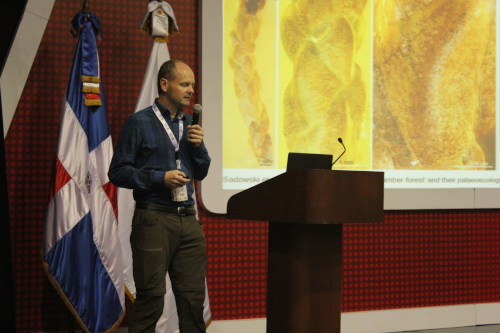
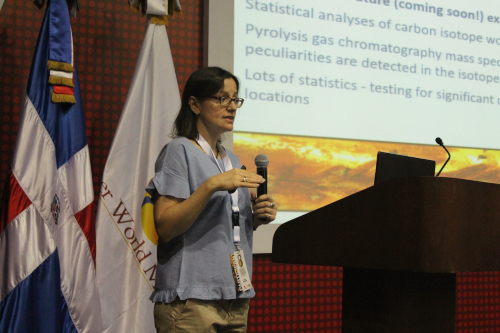
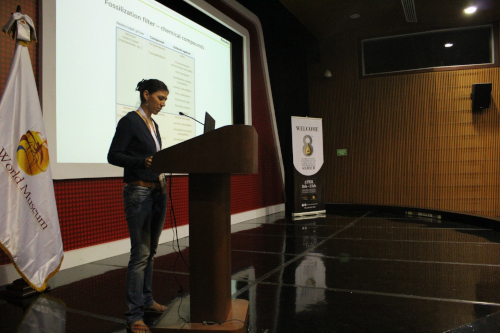
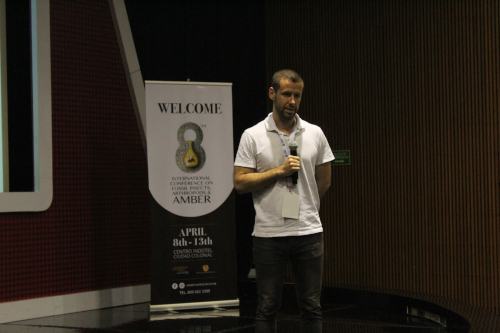
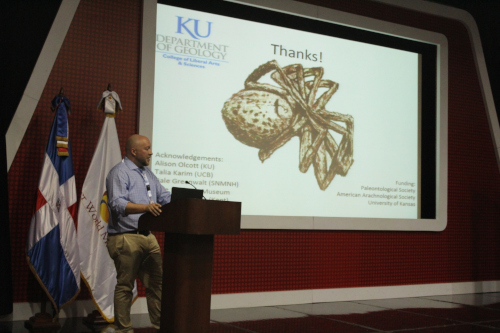
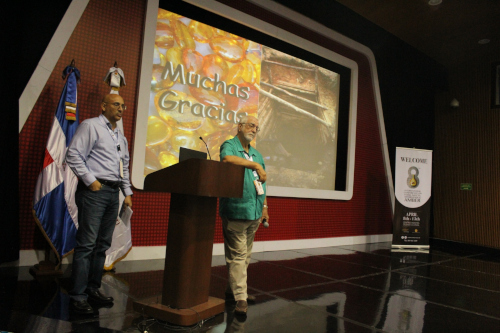
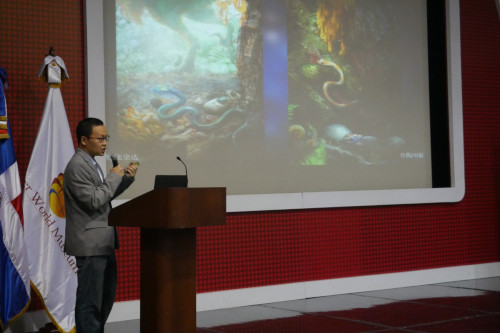
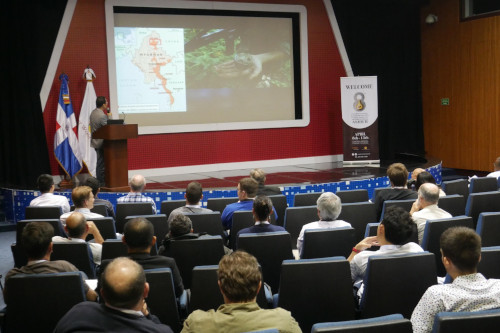
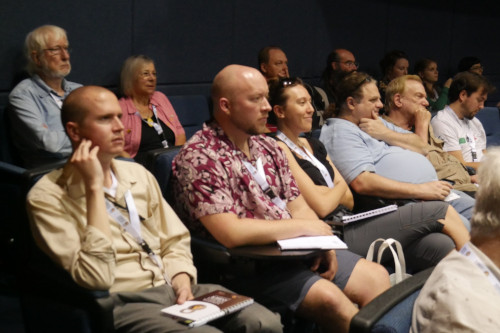
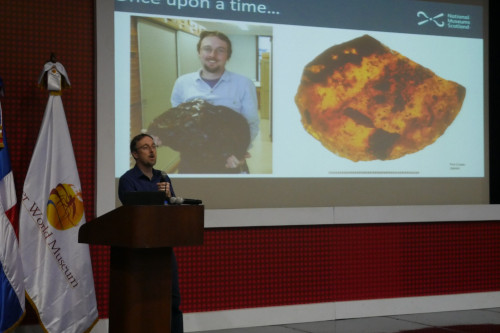
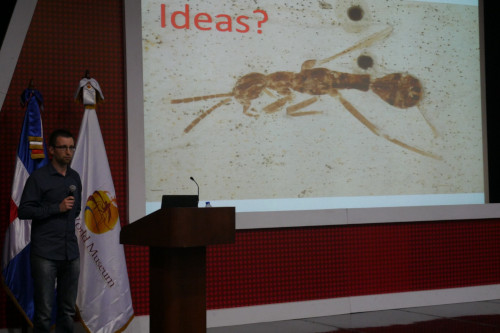
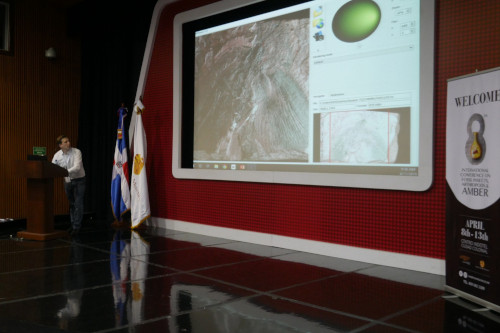

INTERNACIONAL AMBER ASSOCIATION
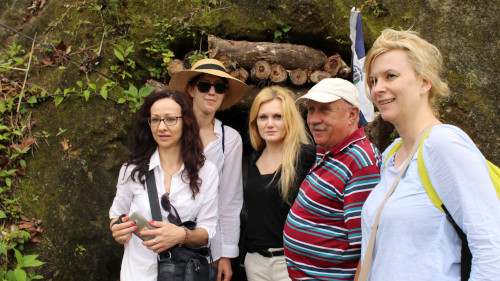
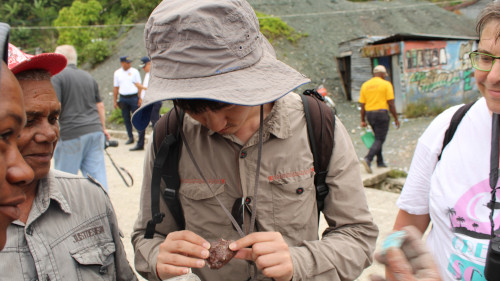
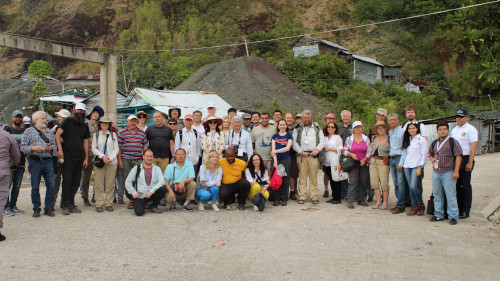
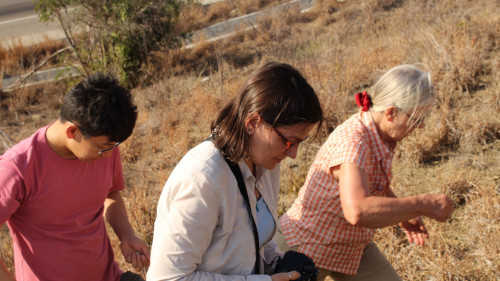
La Asociación Amber continúa la tradición de asociar a personas de esta profesión, que existe en Gdańsk por más de medio milenio. Los objetivos básicos de las antiguas organizaciones gremiales y nuestra organización actual son muy similares: la protección de los intereses de los miembros y la educación sistemática de los adeptos y el desarrollo profesional de los maestros.

ICOM
Es una asociación de miembros y una organización no gubernamental que establece estándares profesionales y éticos para las actividades de los museos. Como foro de expertos, hace recomendaciones sobre cuestiones relacionadas con el patrimonio cultural, promueve la creación de capacidades y avanza el conocimiento. ICOM es la voz de los profesionales de los museos en el escenario internacional y aumenta la conciencia cultural pública a través de redes mundiales y programas de cooperación.

DOMINICAN TREASURES
Es un proyecto de certificación realizado por el Consorcio Dominicano de Competitividad Turística (CDCT) bajo el auspicio de la USAID. Su objetivo es identificar, desarrollar y promover productos y servicios que practiquen el turismo, respondiendo a altos niveles de calidad, responsabilidad social y ambiental, basados en los criterios globales de turismo sostenible.